

Introduction to Experiential Marketing
Experiential marketing isn’t just about promoting a product. It’s about creating meaningful interactions that leave a lasting impression. Rather than simply telling consumers about a brand, this approach allows them to engage with it firsthand, forming deeper connections and stronger brand loyalty.
When people experience a brand in a way that feels personal and immersive, they are far more likely to remember it, talk about it, and develop an emotional connection. By incorporating interactive elements, brands can transform passive audiences into active participants, fostering genuine engagement beyond traditional advertising.
Why does this matter? Because consumers don’t just buy products; they invest in experiences and emotions. A well-crafted experiential marketing strategy ensures that your brand isn’t just seen. It’s felt and remembered.
- Introduction to Experiential Marketing
- Key Takeaways:
- Definition of Experiential Marketing
- What Makes Experiential Marketing Stand Out
- Building Brand Awareness
- Why Psychology Matters in Marketing
- The Role of Emotions
- Making Your Brand Memorable
- The Magic of a Well-Executed Experience
- What Works, What Doesn't, and What You Can Learn
- Summing Up
- Now It's Your Turn
- Phone
- Address

Key Takeaways:
- Experiential marketing creates memorable, interactive moments that strengthen brand loyalty and awareness.
- By allowing consumers to engage actively, brands can establish deeper, more meaningful relationships with their audience.
- Understanding the psychology behind impactful experiences helps brands design campaigns that truly resonate, leading to more effective communication and long-term engagement.
Definition of Experiential Marketing
Most marketing efforts rely on ads, discounts, and promotions to grab attention. But experiential marketing? It’s a whole different approach. Instead of just telling people about a product, it brings them into an experience that makes them feel something. Whether it’s a live event, a hands-on demo, or something completely unexpected, this kind of marketing builds a connection that sticks.
What makes it work? It’s all about interaction, emotional engagement, and creating something people will remember. The more personal and immersive the experience, the stronger the connection. And when people genuinely connect with a brand, they’re far more likely to stick around, talk about it, and even recommend it to others.
What Makes Experiential Marketing Stand Out
At its core, this type of marketing is built around four key things:
- Interactivity – Instead of just watching, people get involved.
- Immersion – The experience feels genuine and personal.
- Emotion – When people feel something, they remember it.
- Authenticity – It doesn’t feel forced—it feels natural and meaningful.
Different Ways Brands Create These Experiences
There’s no one-size-fits-all approach to experiential marketing. It comes in different forms, each offering a unique way for brands to connect with people in a way that sticks. Some are hands-on, others are more digital, but all are designed to make an impact. Here’s a quick look at a few of the most common types:
- Live Events – Whether it’s a festival, a brand activation, or an interactive installation, these experiences allow people to engage face-to-face. It’s marketing you can be part of, not just watch from the sidelines.
- Sampling Campaigns – Have you ever been handed a free product while walking through a mall or at a concert? These campaigns let people try things for themselves with no pressure, just a taste of what’s out there.
- Pop-Up Shops – These short-term retail spaces create excitement by making something feel exclusive and temporary. People love the feeling of discovering something that won’t be around forever.
- Surprise Campaigns – This one’s all about grabbing attention unexpectedly. Think of a brand showing up at a major event with something unplanned, exciting, and hard to ignore.
Why Does This Matter?
Even with everything shifting online, people still crave real experiences. Research shows that around 70% of consumers would rather learn about a product by experiencing it than just seeing an ad.
No matter the approach, it’s all about making sure people aren’t just hearing about a brand they’re experiencing it firsthand. That’s what builds real loyalty.
Building Brand Awareness
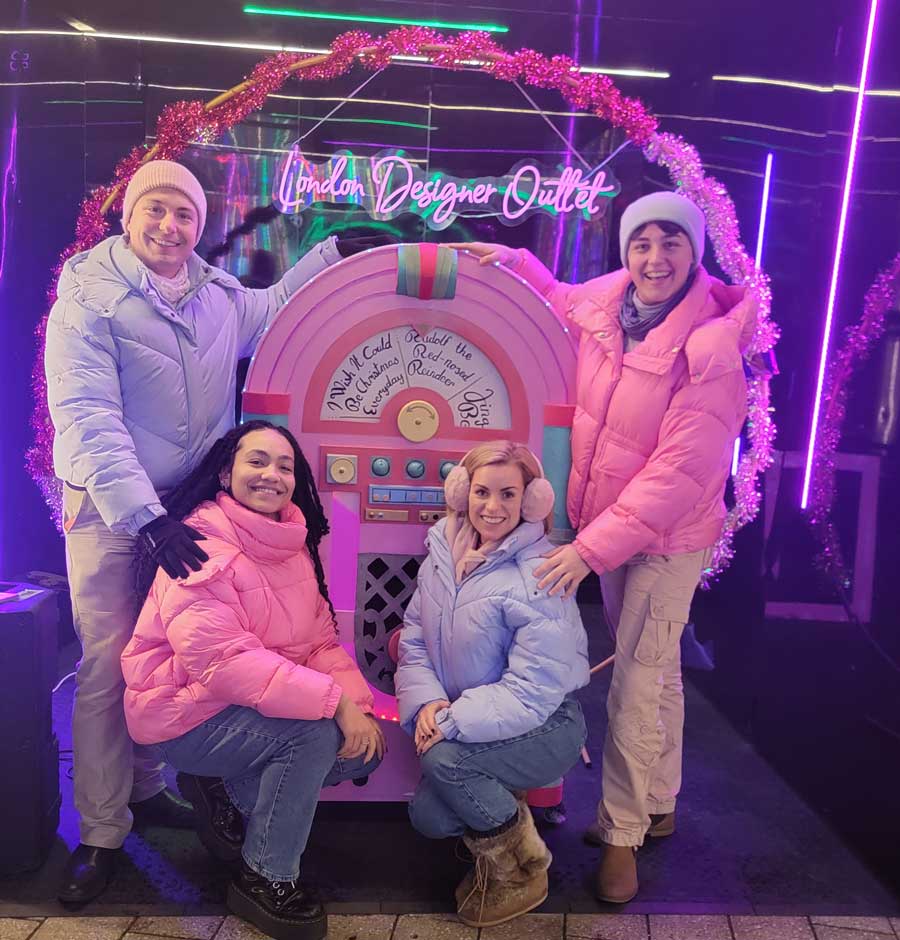
Getting people to recognise your brand is a big deal, but making sure they remember it when it matters? That’s where experiential marketing shines. When people have a great experience with a brand, they don’t just see it. They feel it, and those feelings stick. Events, hands-on interactions, and memorable moments don’t just boost visibility; they make people want to talk about what they’ve experienced. And word-of-mouth? That’s one of the most powerful tools out there. Brands using experiential marketing often see their recognition jump by over 50%.
More Than Just Awareness: It’s About Connection
Sure, getting noticed is important, but what matters is building something deeper. People don’t just buy products. They connect with stories, values, and experiences that mean something to them. That’s why experiential marketing isn’t just about showing off what you offer. It’s about making people feel like they belong in your brand’s world.
When people connect on an emotional level, everything changes. They don’t just remember your brand they stick with it. Research even shows that emotionally invested customers are over twice as likely to stay loyal. And loyalty? That’s what turns customers into brand advocates.
So, how do you create these emotional connections? It starts with knowing what people care about. Build events and campaigns that reflect their interests, values, and lifestyles. If an experience feels personal, people will share it through social media or simply by telling friends about it. That kind of engagement is what keeps a brand alive and growing.
Why Psychology Matters in Marketing
Certain experiences leave a lasting impact. It all comes down to how the brain works. When a marketing experience taps into emotions, memory, and human behaviour, it sticks. That’s why the best experiential campaigns don’t just entertain; they trigger something deeper, making people feel connected in a way that traditional ads just can’t.
The Role of Emotions
Ever notice how some brands stick with you? It’s not by accident. People don’t just buy products. They buy into feelings. Emotions play a massive role in shaping decisions, whether excitement, nostalgia, or that instant connection to something familiar. When a brand makes someone feel something, that bond becomes personal. And when things feel personal, loyalty follows.
Making Your Brand Memorable
People remember experiences way more than they remember ads. Think about it: when was the last time an ad stuck with you? Compare that to a hands-on event, a surprise interaction, or a moment that made you laugh. The difference is massive. That’s precisely why experiential marketing works. Experiences that engage the senses, whether through sound, touch, or even scent, aren’t just fun. They make a lasting impression.
Studies suggest that sensory-driven experiences can boost brand recall by up to 70%. That means when customers are choosing where to spend their money, the brands they’ve experienced are the ones that come to mind first.
The Magic of a Well-Executed Experience
Every brand wants to create something people talk about. The best experiential campaigns don’t just attract attention. They make real, lasting connections. Whether it’s an interactive event, a bold surprise, or a campaign that taps into people’s emotions, these experiences shape how people see a brand. And the best part? When done right, they don’t just increase engagement they build trust, loyalty, and recognition in ways traditional ads never could.
Sure, getting noticed is important, but what matters is building something deeper. People don’t just buy products. They connect with stories, values, and experiences that mean something to them. That’s why experiential marketing isn’t just about showing off what you offer. It’s about making people feel like they belong in your brand’s world.
When people connect on an emotional level, everything changes. They don’t just remember your brand they stick with it. Research even shows that emotionally invested customers are over twice as likely to stay loyal. And loyalty? That’s what turns customers into brand advocates.
So, how do you create these emotional connections? It starts with knowing what people care about. Build events and campaigns that reflect their interests, values, and lifestyles. If an experience feels personal, people will share it through social media or simply by telling friends about it. That kind of engagement is what keeps a brand alive and growing.
What Works, What Doesn’t, and What You Can Learn
The best experiential marketing campaigns don’t just grab the attention they stick with people. Every successful event or activation has something to teach, whether it’s about what excites an audience or how to create moments that feel personal. The goal? Build experiences that invite participation, encourage real connections, and leave people thinking about your brand long after the event.
Summing Up
People don’t just remember brands they remember experiences. That’s why experiential marketing is such an effective way to create deeper connections. Rather than simply promoting a product or service, it allows customers to engage with a brand in a meaningful and memorable way.
When an experience resonates on an emotional level, it strengthens brand loyalty and influences future purchasing decisions. Why is this approach so impactful? Emotions play a central role in decision-making. When customers associate a brand with a positive, exciting, or personally relevant experience, they are far more likely to stay engaged over time. This is why experiential marketing goes beyond short-term visibility and fosters long-term brand affinity and advocacy.
By applying the psychological principles that shape consumer behaviour, brands can craft experiences that leave lasting impressions. The stronger the connection, the more likely customers are to return, recommend, and actively engage with the brand.
Now It’s Your Turn
If you want to create marketing experiences that don’t just capture attention but truly connect with your audience, now is the time to act. Think beyond traditional campaigns and start crafting experiences that inspire, engage, and leave a lasting impact. Whether through immersive events, interactive brand moments, or emotionally resonant storytelling, your next move can transform how customers see and remember your brand.
Are you ready to create an experience your audience will never forget?
Frequently Asked Questions
What is Experiential Marketing?
Experiential marketing is a strategy that focuses on creating immersive brand experiences for consumers. It encourages audience participation by engaging emotions and senses, allowing consumers to interact with the brand in memorable ways. This can include events, pop-up shops, or interactive installations that bring the brand’s message to life.
How does Experiential Marketing enhance brand engagement?
Experiential marketing enhances brand engagement by fostering direct interactions between the consumer and the brand. These experiences allow consumers to form deeper emotional connections, leading to increased brand loyalty. When consumers participate actively, they are more likely to remember the experience and associate it positively with the brand, increasing advocacy and word-of-mouth promotion.
What psychological principles underpin successful experiential marketing campaigns?
Successful experiential marketing campaigns often rely on psychological principles such as emotional connection, nostalgia, and sensory stimulation. By appealing to emotions and memories, brands can create a strong bond with consumers. Additionally, sensory experiences can enhance memory retention, making the brand more memorable. This psychological approach helps in building trust and preference over time..
What are the key benefits of implementing an Experiential Marketing strategy?
The benefits of experiential marketing include heightened brand awareness, increased consumer engagement, and improved customer loyalty. It creates unique opportunities for storytelling and allows brands to convey their values and personality effectively. Moreover, experiential marketing can encourage viral sharing on social media, expanding reach and visibility in a crowded market.
How can businesses measure the success of their Experiential Marketing campaigns?
Businesses can measure the success of experiential marketing campaigns by tracking various metrics, such as engagement levels (e.g., participation rates, social media interactions), consumer feedback, and sales data before and after the event. Surveys and follow-up communications can also provide insights into consumer sentiment and brand perception changes resulting from the experience.
Contact Us
Phone
020 8542 1480
Address
Studio C, 23 Lombard Road, Wimbledon, London SW19 3TZ
Follow Us On Social Media